
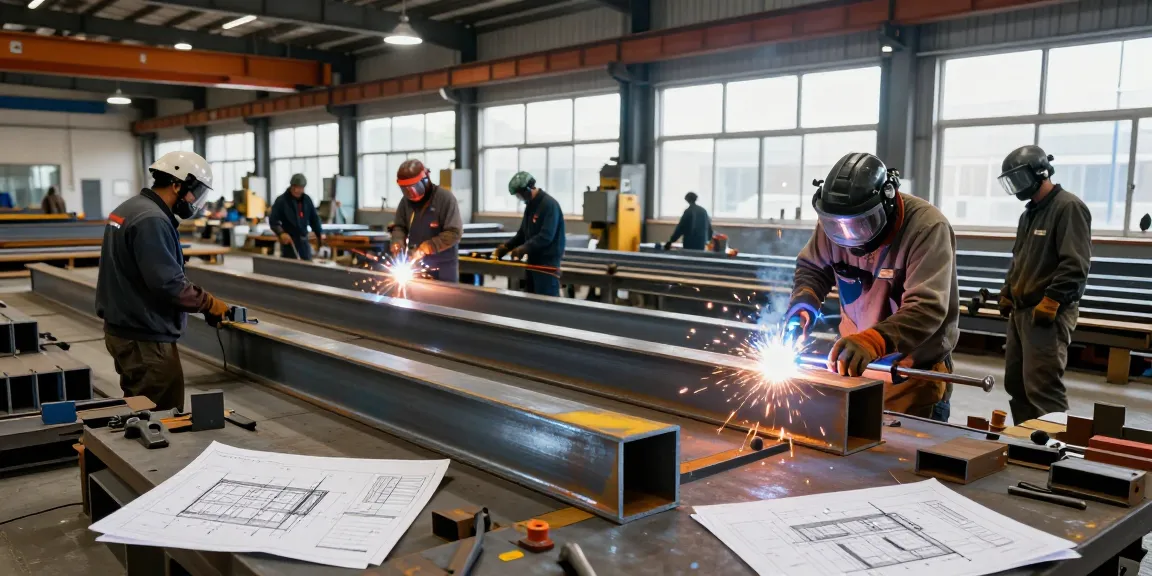
Overview of the Commercial Steel Industry in 2026
The commercial steel industry is undergoing significant transformations as we enter 2026. As the demand for steel products in various sectors continues to grow, so does the need for innovative solutions that meet modern standards of quality and sustainability. In Vancouver, companies like Avangard Steel are at the forefront, offering tailored services that cater to the evolving needs of both residential and commercial clients. When exploring options, commercial steel company offerings are essential in understanding current market dynamics.
Current Trends Affecting Commercial Steel Companies
The commercial steel industry is witnessing a variety of trends that shape its future. Notably, the integration of advanced technologies such as artificial intelligence and machine learning is enhancing operational efficiency and precision. Companies are increasingly adopting these innovations to streamline processes, reduce production time, and minimize waste. Furthermore, the rise in environmental consciousness is prompting manufacturers to adopt sustainable practices, such as recycling scrap steel and utilizing energy-efficient production methods.
Market Growth and Projections for 2026
Analysts project a steady growth in the commercial steel sector, driven by infrastructure development and construction demands. The global steel market is expected to reach a valuation exceeding $1 trillion by the end of 2026. In Vancouver specifically, the push towards urbanization and the expansion of commercial spaces are fueling the demand for customized steel solutions. This growth presents a unique opportunity for companies that specialize in fabrication and installation to thrive in a competitive landscape.
Challenges Facing the Steel Fabrication Sector
Despite the promising outlook, the steel industry faces several challenges. Supply chain disruptions, fluctuating raw material costs, and regulatory pressures are among the key factors impacting operations. Additionally, the pressure to innovate while maintaining cost-effectiveness can be daunting for steel companies. Furthermore, labor shortages and the need for skilled technicians in advanced fabrication techniques pose additional hurdles to growth and efficiency.
Key Innovations in Steel Fabrication Techniques
As the industry evolves, so do the techniques used in steel fabrication. Key innovations are emerging that not only enhance productivity but also improve the quality and applicability of steel products.
Advanced Technology Trends in Steel Manufacturing
The advent of Industry 4.0 within the manufacturing sector has revolutionized steel production. High-tech machinery that employs automation and data analytics is becoming commonplace, allowing for real-time monitoring and adjustments. This not only improves precision but also significantly reduces human error. As such, companies can produce products that are not only stronger but also more tailored to client specifications.
Automation and Robotics in Steel Production
Automation and robotics are playing increasingly vital roles in steel production and fabrication. From robotic arms that assist in welding to automated guided vehicles that help transport materials efficiently, the incorporation of robotics enhances productivity. Such technologies reduce labor costs and expedite the manufacturing process, enabling companies to fulfill larger orders more quickly and efficiently.
Eco-Friendly Practices and Sustainable Steel Solutions
With growing environmental concerns, the steel industry is shifting towards more sustainable practices. Companies are investing in eco-friendly technologies that reduce emissions and waste. For instance, electric arc furnaces are becoming more prevalent, as they use less energy and can leverage recycled steel. These practices are not only beneficial for the environment but also appealing to consumers who prioritize sustainability in their purchasing decisions.
Expert Insights and Case Studies
Experts within the commercial steel industry offer valuable insights based on recent trends and successful projects. Learning from real-world applications can inform best practices for future endeavors.
Success Stories from Leading Commercial Steel Companies
Leading companies in the steel fabrication sector have successfully implemented advanced technologies to meet complex project requirements. For example, a notable project involved the fabrication of a bespoke steel structure for a high-rise commercial building in downtown Vancouver. The use of precise CAD technology and advanced welding equipment ensured the structural integrity and aesthetic appeal of the project.
Lessons Learned from Recent Projects
From recent case studies, industry leaders emphasize the importance of meticulous planning and collaboration. Successful projects often involve close communication between architects, engineers, and fabricators. This collaborative approach helps streamline processes and avoid costly delays.
Expert Opinions on the Future of Steel Fabrication
Industry experts predict that the future of steel fabrication will lean heavily toward digitalization. The use of Building Information Modeling (BIM) will become standard, allowing for enhanced visualization of projects before physical work begins. This not only aids in construction efficiency but also helps identify potential complications early in the process.
Best Practices for Choosing a Commercial Steel Company
Selecting the right commercial steel company is pivotal to the success of any construction project. It requires a thorough understanding of the company’s capabilities and reliability.
Assessing Quality and Craftsmanship Standards
When evaluating steel fabrication companies, it’s essential to assess their craftsmanship standards. Quality checks at multiple stages of production can lead to superior final products. Ensure that potential partners adhere to industry certification standards, which often serve as indicators of quality and reliability.
Understanding Pricing and Cost Factors in Steel Projects
Transparent pricing is crucial when selecting a commercial steel company. Understanding the factors that contribute to costs—from raw materials to labor—can help clients make informed decisions. It’s wise to obtain detailed quotes that outline all aspects of the project, ensuring no hidden fees arise later on.
How to Streamline Your Project with Effective Communication
Effective communication is a cornerstone of successful collaboration in any construction project. Establishing clear lines of contact and regular check-ins can prevent misunderstandings and ensure that all parties remain aligned with the project’s goals and timelines.
Looking Ahead: Future Trends in the Commercial Steel Sector
The future of the commercial steel sector is expected to be characterized by several key trends that will shape its evolution and practices.
Emerging Technologies and Their Impact on Fabrication
Emerging technologies such as 3D printing of steel components are poised to significantly impact the industry. This innovation allows for more complex designs and reduces material waste. 3D printing also enhances customization, enabling companies to provide tailored solutions quicker than traditional methods.
Predictions for Market Changes and Consumer Needs
As consumer demands shift towards more sustainable and innovative solutions, companies will need to adapt accordingly. The emphasis will grow on environmentally friendly materials, recycled steel products, and efficient production methods. Companies that anticipate these changes will position themselves favorably in the marketplace.
Preparing for Next-Generation Steel Solutions
Preparation for next-generation steel solutions entails investing in research and development. Companies should focus not only on immediate innovations but also on long-term strategies that cater to potential future needs. This foresight will help them stay competitive and relevant in an ever-evolving market.
What Are Steel Companies Doing to Stay Competitive?
To maintain competitiveness, steel companies are exploring partnerships and collaborations within the industry. Such alliances can facilitate resource sharing, technology transfer, and innovation. Additionally, companies are focusing on employee training and upskilling to ensure their workforce is equipped to handle future challenges and technologies.