
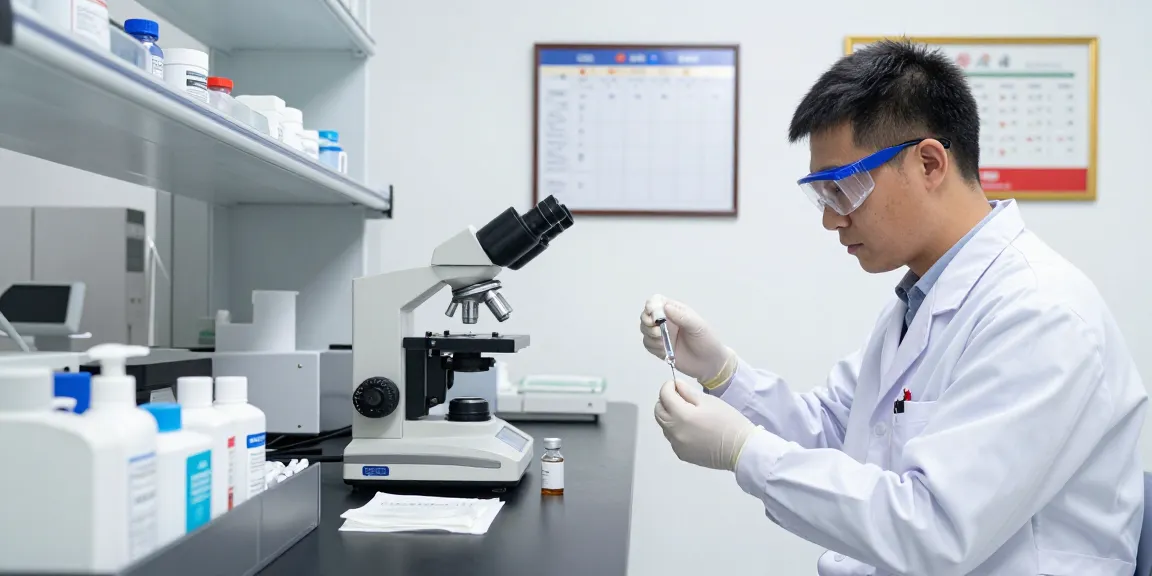
Understanding the Basics of 10 ML Syringes
The 10 ML syringe is a crucial tool in various medical and healthcare applications, providing precision and reliability when administering medications or vaccinations. This versatile instrument is designed to measure and deliver specific volumes of liquid, making it an essential item in clinics, hospitals, and even at home for individuals managing chronic conditions. When exploring options, 10 ML syringe provides comprehensive insights into its applications and advantages.
What is a 10 ML Syringe?
A 10 ML syringe is a hollow cylinder equipped with a plunger, designed to hold and dispense liquids with accuracy. Typically made of plastic or glass, this syringe features graduated markings for easy reading of volume measurements. In the healthcare industry, syringes are often used for the administration of medications, vaccines, and other fluids. The 10 ML size is particularly useful for doses that require more than a few milliliters but are still manageable by hand.
Common Uses in Healthcare
In clinical settings, 10 ML syringes are used for a myriad of purposes, including:
- Vaccinations: Administering immunizations for a variety of diseases.
- Intravenous therapy: Delivering medications or fluids directly into the bloodstream.
- Chronic disease management: Providing precise doses for patients with conditions such as diabetes, where insulin injections are necessary.
- Laboratory applications: Measuring out specific volumes of liquids for testing and experimentation.
How to Choose the Right Syringe
Selecting the right syringe is critical for ensuring safe and effective delivery of medications. Factors to consider include:
- Material: Choose between plastic and glass, considering sterility and reusability.
- Needle gauge: Ensure that the needle is appropriate for the viscosity of the fluid being administered.
- Comfort: Ergonomic designs can improve handling, especially during prolonged use.
Key Features to Consider
Materials and Construction Quality
The materials used in the construction of a syringe play a significant role in its performance. High-quality syringes are often made from medical-grade plastic or glass, which are both safe and easy to sterilize. It’s important to verify that the syringe meets industry standards to avoid contamination and ensure patient safety.
Safety Features in Modern Syringes
Safety is paramount in syringe design. Modern 10 ML syringes often include features such as:
- Needle guards: Prevent accidental needle sticks after use.
- Locking mechanisms: Ensure that the plunger does not accidentally release the medication.
Accuracy and Precision in Measurements
For effective treatment, syringes must provide accurate measurements. Graduated markings should be clear and easy to read, allowing healthcare professionals to administer precise doses without error.
Best Practices for Syringe Handling
Step-by-Step Guide to Filling a 10 ML Syringe
- Start by ensuring that you are working in a sterile environment.
- Remove the cap from the syringe and the needle, taking care not to touch the needle or the inside of the syringe.
- Draw the prescribed volume of medication into the syringe, ensuring to eliminate any air bubbles.
- Check the dosage against the prescribed amount before administering.
Preventing Contamination and Ensuring Sterility
It is crucial to maintain sterility to prevent infections and complications. Always wash your hands before handling syringes, and use alcohol swabs to clean the injection site and the vial tops of any medication used.
Storage Tips for Safety and Efficacy
Proper storage of syringes is vital to maintaining their functionality:
- Store syringes in a cool, dry place away from sunlight.
- Keep syringes in their original packaging until ready for use.
Real-World Applications and Case Studies
10 ML Syringe in Immunizations
The role of 10 ML syringes in immunization campaigns cannot be overstated. They facilitate quick and efficient administration of vaccines, crucial for public health initiatives, especially during outbreaks.
Usage in Chronic Disease Management
Individuals managing chronic conditions such as diabetes rely heavily on 10 ML syringes for daily medication administration, supporting adherence to treatment regimens.
Case Study: Syringe Innovations in Pediatrics
Recent innovations in syringe design have improved pediatric care. Newer 10 ML syringes feature child-friendly mechanisms that alleviate fear and discomfort during injections, enhancing the overall healthcare experience for children.
Future Trends in Syringes for 2026 and Beyond
Emerging Technologies in Syringe Design
The future of syringe technology is promising, with advancements such as smart syringes equipped with sensors for dose accuracy and medication tracking. These innovations aim to improve patient outcomes and streamline healthcare processes.
Impact of Regulations on Syringe Standards
As healthcare regulations evolve, manufacturers must adapt to new safety standards, ensuring that their products meet rigorous quality controls to protect patients.
Predictions for Healthcare Needs and Syringe Evolution
Looking ahead, the demand for high-quality syringes will increase alongside advancements in personalized medicine and treatment protocols. Understanding the evolving landscape of healthcare will be vital for manufacturers and healthcare providers alike.
What are the benefits of using a 10 ML syringe?
10 ML syringes offer numerous benefits, including enhanced accuracy in dosage delivery, compatibility with various medications, and ease of use for both healthcare professionals and patients.
How does the design of a 10 ML syringe enhance safety?
Modern designs incorporate features that minimize the risk of needle stick injuries and ensure that fluid remains securely within the syringe until it is intentionally administered.
What materials are best for 10 ML syringes?
The best materials for 10 ML syringes include medical-grade plastics for disposable use and glass for reusable applications, ensuring both safety and durability.
How should 10 ML syringes be disposed of properly?
Proper disposal of 10 ML syringes is essential to prevent injuries and environmental contamination. Follow local regulations for biohazard waste disposal, using designated sharps containers for disposal.
Can I use a 10 ML syringe for both injections and oral medication?
While 10 ML syringes are primarily designed for injections, they can also be used for administering oral medications when precise dosing is necessary. Always ensure that the syringe is properly cleaned before switching uses.